
Insects for Animal Feed
Insects are emerging as a practical and sustainable solution to one of the biggest challenges in livestock production—access to affordable, high-quality feed. By converting organic by-products into nutrient-dense protein and oils, insects offer a promising alternative to conventional ingredients such as fishmeal and soybean meal, while supporting circular and climate-smart food systems.
My research focuses on advancing edible insects as feed ingredients for diverse animal species. Through controlled feeding trials and applied research, I assess how insect meals and oils affect growth performance and feed efficiency, animal health and physiological responses, and carcass traits and product quality. This work spans poultry, pigs, rabbits, guinea pigs, fish, dairy goats, and beef and dairy cattle. Overall, my goal is to generate strong scientific evidence that supports the safe, effective, and scalable use of insect-based feeds, particularly in low- and middle-income contexts where sustainable feed innovations can deliver the greatest impact.”
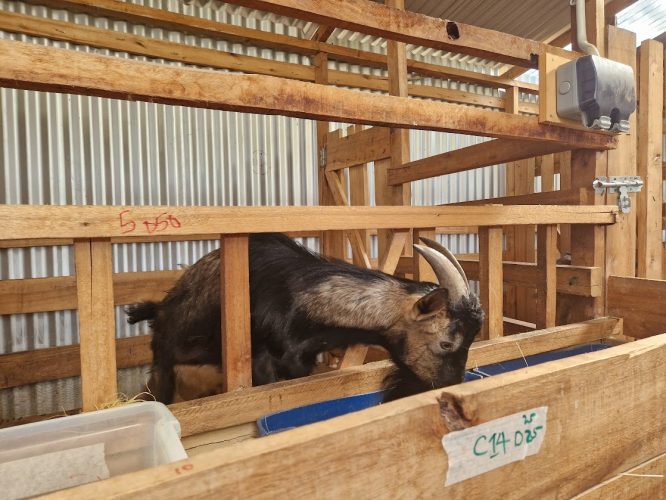
Dairy Goats
Ongoing research with dairy goats investigates the use of insect-based feeds as alternative protein sources in dairy production systems. The work focuses on understanding implications for animal performance, health, and productivity, with the broader aim of improving feed sustainability and resilience in smallholder and semi-intensive dairy systems.

Layer Chickens
Research on layer chickens evaluates insect meal inclusion in layer diets as a strategy to support sustainable egg production. This work examines production responses and physiological indicators under insect-based feeding regimes, contributing to evidence for reducing reliance on conventional protein sources in poultry feeds.
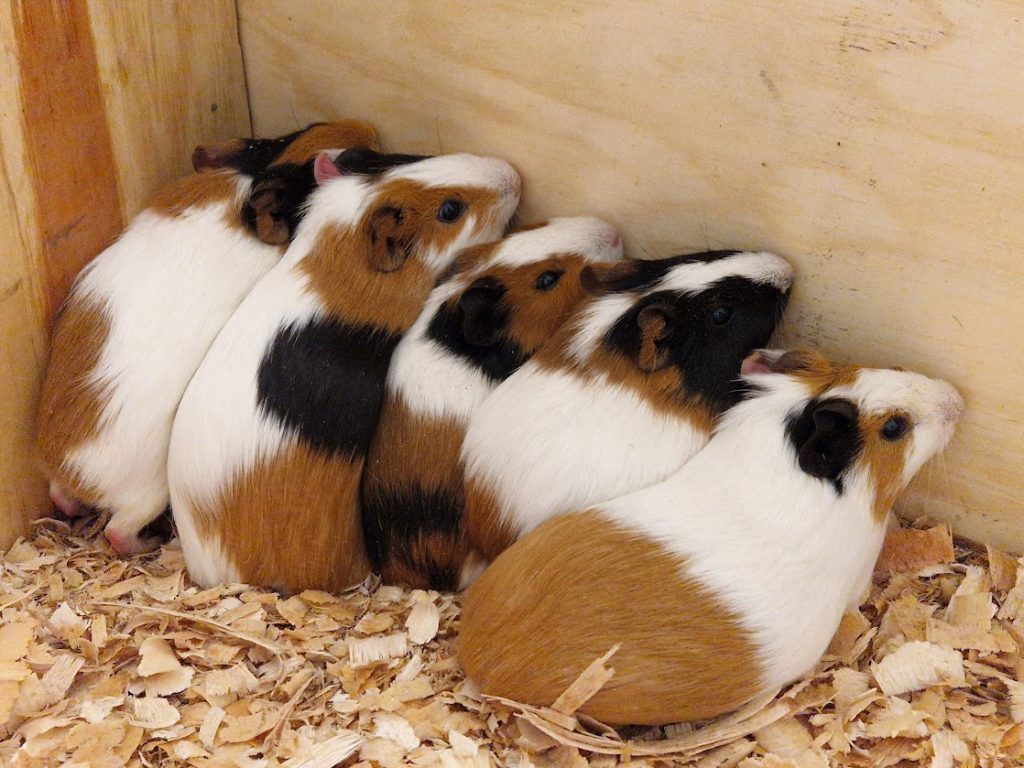
Guinea Pigs
Research on guinea pigs explores the application of insect-based feeds as alternative dietary lipid sources. The study aims to assess how insect oils can be incorporated into feeds for small livestock species while maintaining animal health and supporting efficient, resource-conscious feed formulation.
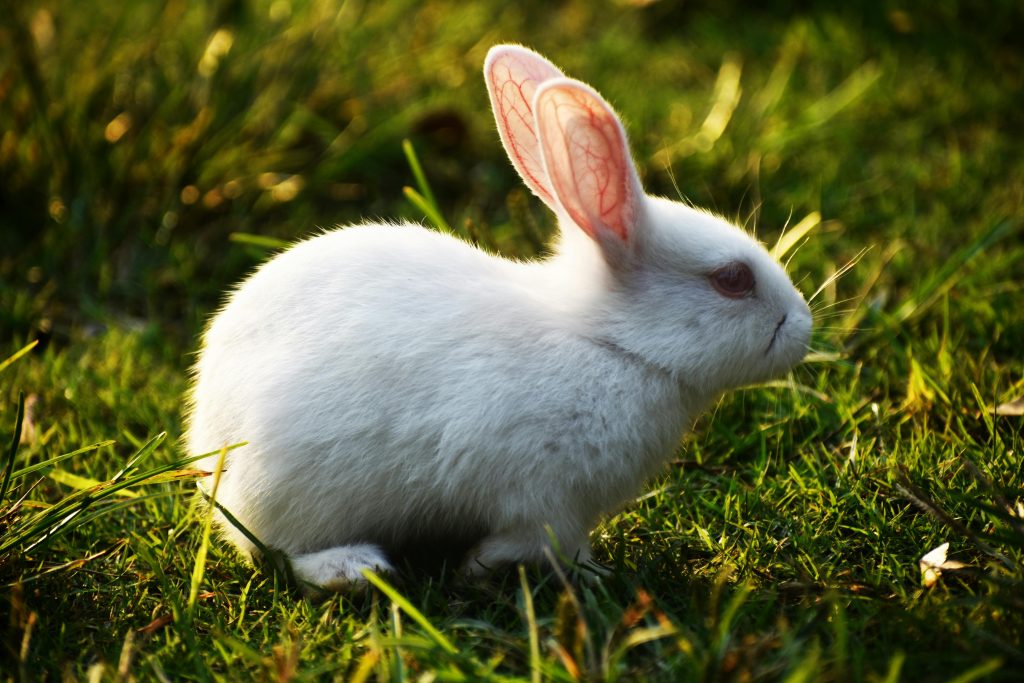
Rabbits
Ongoing work with rabbits focuses on the use of insect-based feeds as substitutes for conventional dietary fats. This research examines responses related to growth, health, and feed utilisation, with the goal of advancing circular and sustainable feeding strategies for emerging livestock systems.
1. What it means for feed producers
- Direct substitute for expensive ingredients: Insect meals and oils can partially or fully replace fishmeal and soybean meal, reducing reliance on volatile global markets.
- Formulation flexibility: Producers can create species-specific feeds (poultry, pigs, fish, rabbits, goats) using insect protein and oils as either protein or lipid sources.
- Evidence-backed adoption: Research on performance (growth, feed efficiency, carcass quality) gives feed manufacturers confidence to commercialize insect-based formulations.
- Product differentiation: Opportunity to market feeds as “sustainable,” “eco-friendly,” or “high-efficiency”, appealing to modern farmers and export markets.
- Circular production systems: Feed producers can integrate insect farming units using organic by-products, lowering raw material costs and improving sustainability.
- New supply chains: Creates demand for insect processors, oil extraction, and standardized insect meal production.
2. Key takeaways for farmers
- Reduced feed costs: Insect-based feeds can help lower overall feeding expenses, especially in poultry, fish, and small livestock.
- Maintained or improved performance: Research shows animals can still grow well, produce eggs/milk, and stay healthy when fed insect-based diets.
- Better feed efficiency: Animals may convert feed into meat, eggs, or milk more efficiently, improving profitability.
- Suitable for smallholders: Farmers can produce insects on-farm using waste, especially for poultry, rabbits, and pigs.
- Diverse livestock benefits:
- Dairy goats: Potential for improved milk production and resilience in smallholder systems
- Layer chickens: Sustainable egg production without heavy reliance on expensive feeds
- Rabbits & guinea pigs: Efficient use of insect oils as alternative fats
- Climate-smart farming: Less dependence on imported feeds makes farms more resilient to price shocks and shortages.
3. Policy & industry relevance
- Feed security: Supports national strategies to reduce dependence on imported protein sources like soybean meal and fishmeal.
- Research-driven regulation: Governments need to develop clear standards for insect meal inclusion rates, safety, and processing.
- Livestock sector transformation: Enables more sustainable production across multiple species (poultry, dairy, aquaculture, small livestock).
- Support for smallholder systems: Especially relevant in Africa where feed costs are a major barrier to productivity.
- Circular economy development: Encourages policies that allow safe conversion of organic waste into insect-based feed inputs.
- Investment opportunity: Opens doors for agritech startups, feed mills, and youth enterprises in insect farming and processing.
- Export competitiveness: Sustainable feed systems can help countries meet global standards for environmentally friendly livestock production.